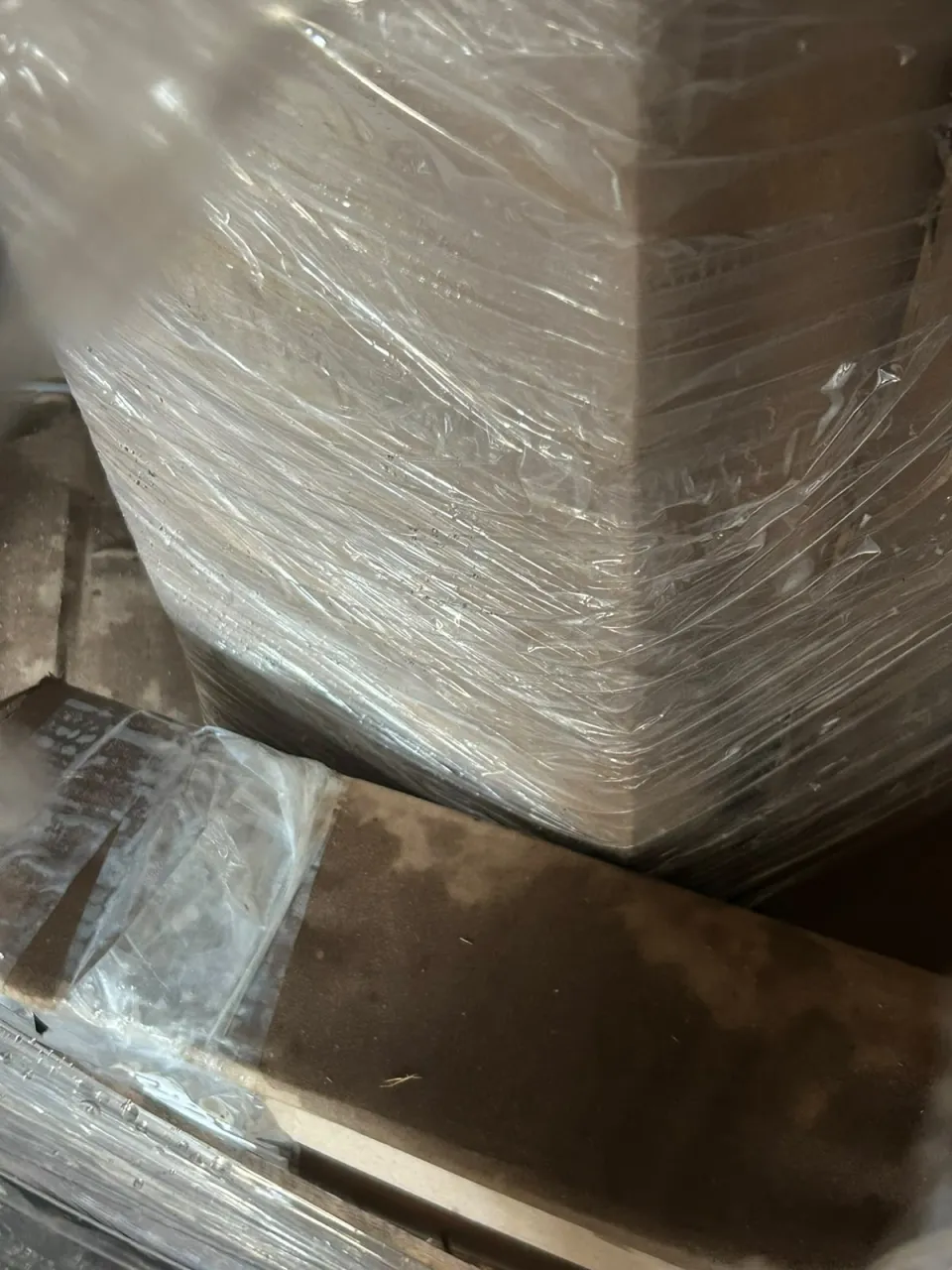
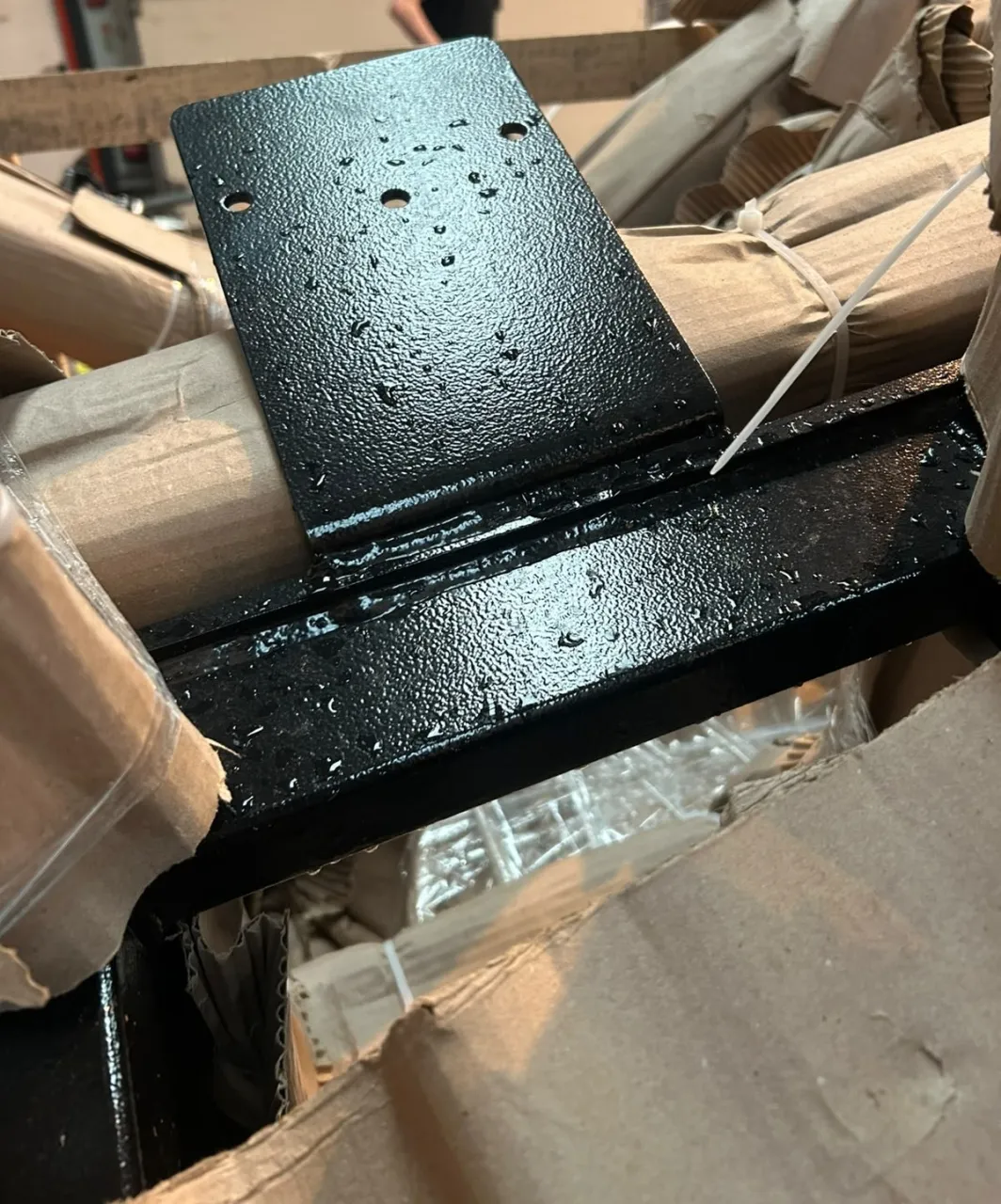
What happens inside a closed container?
Maritime transport is marked by thermal fluctuations between day and night that trigger successive cycles of evaporation and condensation. The heated air retains moisture originating from the cargo, the pallets, and the wooden container floor. Because it is a dense wood and frequently cleaned with water, the floor may appear dry before loading while remaining internally saturated. The resulting condensation on the cold steel surfaces (roof and walls) causes direct dripping onto the products, a process known in foreign trade as "container rain."
Main risks to your merchandise: Continuous exposure to these droplets and to the saturated environment causes severe damage:
-
Mold and mildew: proliferation of fungi in grains, coffee, cocoa, leather, and textiles.
-
Corrosion and oxidation: rust on metal parts, machinery, and electronic components.
-
Packaging damage: cardboard boxes lose structural support, cave in, and cause cargo to tip over during the trip.
How to avoid losses: To reinforce the neutralization of this cycle, it is possible to combine different active moisture retention and absorption solutions. The combined use of our high-performance desiccants and, most importantly, the Dry Blanket, creates a physical barrier that prevents dripping, ensuring that the product reaches its final destination in the exact same condition it was shipped in.